Comprehensive Guide to Types of Above Ground Pools: 2026 Edition
Selecting from the various types of above ground pools is a balance of upfront investment and long-term maintenance expectations.
7/4/20266 min read
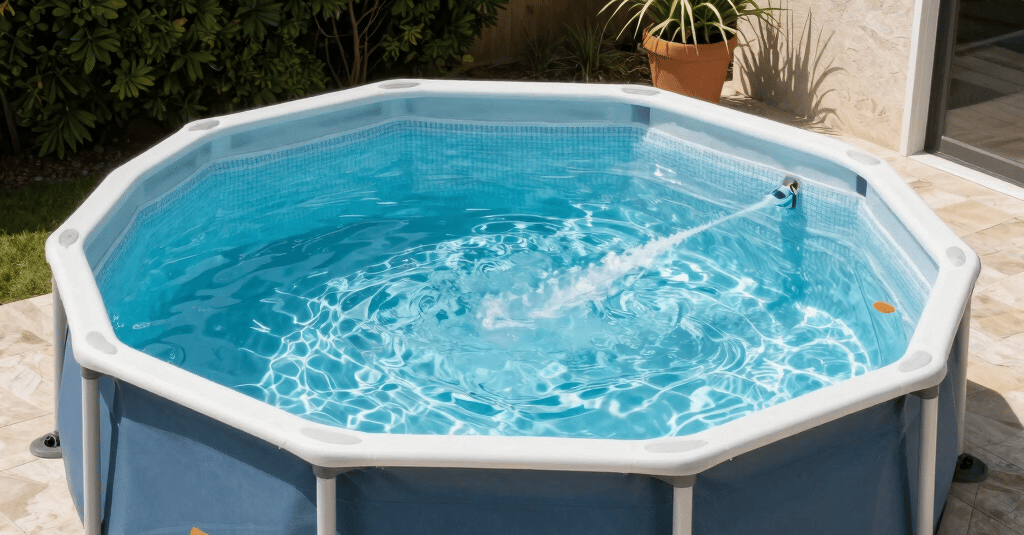
The landscape of backyard recreation has undergone a significant transformation. In 2026, the home is no longer just a residence; it is a year-round retreat. As homeowners prioritize sustainable, high-tech outdoor living spaces, the variety of types of above ground pools has expanded to meet diverse architectural and lifestyle needs. Modern installations have moved beyond the basic "blue tub" stereotype, now incorporating advanced UV-resistant coatings, sophisticated structural engineering, and seamless integration with home automation.
Choosing the right pool in 2026 requires more than a budget check; it demands an understanding of material science and mechanical compatibility. From the rise of semi-inground pool options that accommodate sloped terrain to the widespread adoption of smart above ground pool systems, the options available today offer a level of durability and aesthetic appeal once reserved exclusively for expensive inground builds. This guide provides a technical breakdown of current market offerings to help you navigate the transition from a simple yard to a private oasis.
Key Takeaways: Quick Guide to 2026 Pool Selection
Resin is the New Standard: For homeowners planning to use a saltwater chlorination system, resin-framed pools have largely replaced steel due to their total immunity to corrosion.
Smart Integration: Most mid-to-high-tier 2026 models now ship with smart pool monitors compatible with major smart-home protocols (Matter/Thread).
Versatility: Semi-inground pool options have become the primary solution for properties with uneven grades, offering the look of a custom build at a lower price point.
Enhanced Filtration: Hydro-aeration technology is now standard in most pool filtration units, significantly improving water clarity and air quality around the pool.
The Main Categories: From Portable to Permanent
Understanding the structural differences between pool types is the first step in ensuring pool longevity. In 2026, the market is categorized by material composition and intended permanence.
1. Soft-Sided and Inflatable Pools (Portable)
These remain the entry point for backyard swimming. Utilizing reinforced vinyl liners with polyester mesh cores, these pools are designed for DIY pool installation and can be disassembled for winter storage. While budget-friendly, their lifespan is typically 3 to 5 years.
2. Steel-Walled Pools (The Traditional Standard)
A staple of the industry, these pools utilize galvanized steel walls protected by multi-layered coatings. In 2026, premium steel models use zinc-aluminum alloys that offer superior rust resistance compared to older models. They are robust and can handle high water pressure, making them ideal for large oval vs round pools configurations.
3. Resin-Framed Pools (The Saltwater Choice)
Resin pools use high-density, molded plastic components for the top rails and uprights. Because resin cannot rust or corrode, these are the best above ground pool materials for use with saltwater chlorination systems. While the wall is still typically steel, the exposed hardware is shielded, extending the pool's life to 20+ years in humid or coastal environments.
4. Hybrid Pools
Hybrid models represent a strategic middle ground, utilizing galvanized steel walls for structural strength and resin for the components most exposed to water and sun. This configuration balances cost-efficiency with long-term durability.
5. Radiant Pools (Insulated Semi-Inground)
A premium category in 2026, radiant pools feature R-10 insulated wall panels. These panels help maintain water temperature, significantly reducing the energy load on heat pump compatibility systems. Their structural rigidity allows them to be installed fully above ground, semi-inground, or even fully into a slope.
| Feature | Soft-Sided | Steel-Walled | Resin/Hybrid | Radiant | | :--- | :--- | :--- | :--- | :--- | | Durability | Low (3-5 yrs) | Moderate (10-15 yrs) | High (20+ yrs) | Elite (30+ yrs) | | Saltwater Ready | No | Risk of Corrosion | Yes | Yes | | Installation | DIY (2 hours) | Pro/Advanced DIY | Professional | Professional | | Price Point | $ | $$ | $$$ | $$$$ |
Smart Above Ground Pool Systems & Modern Features
The "dumb" pool is a thing of the past. According to 2026 industry data, over 65% of new permanent installations include some form of integrated smart technology.
Smart pool monitors now provide real-time chemistry tracking (pH, ORP, and temperature) directly to your smartphone. These devices often automate the dosing of chemicals, reducing the manual labor traditionally associated with pool ownership. Furthermore, automated pool cleaners—specifically cordless robotic units—have become standard. These units utilize AI mapping to ensure 100% floor coverage, significantly reducing the strain on the main pool filtration units.
Advancements in UV-resistant coatings have also improved. The vinyl liners of 2026 are treated with molecular stabilizers that prevent the bleaching and brittleness caused by intense solar exposure. Additionally, hydro-aeration technology integrated into the return inlets improves water circulation and increases negative ions at the water's surface, resulting in a fresher, cleaner swimming environment.
Comparison: Permanent vs. Portable Above Ground Pools
The choice between permanent and portable models often comes down to the intended "Return on Enjoyment" and property constraints.
Permanent Hard-Sided Pools:
Structural Integrity: These use a rigid frame and galvanized steel walls. They are designed to withstand winter pressure, especially when equipped with professional winterization kits.
Customization: Permanent pools offer extensive pool decking options, allowing the pool to look like a seamless extension of the home.
Space: Oval vs round pools—round pools offer the best water pressure distribution, while oval pools are better for narrow yards and lap swimming.
Portable Soft-Sided Pools:
Ease of Entry: These are the ultimate DIY pool installation project, often requiring no tools.
Regulatory Flexibility: In some jurisdictions, portable pools do not require the same permanent perimeter fencing permits as hard-sided structures, though safety covers are always recommended.
Disadvantages & Reality Check: What the Salesman Won't Tell You
While modern pools are advanced, they are not maintenance-free. It is critical to recognize the limitations of the "types of above ground pools" available today:
The Longevity Gap: A $600 portable pool will never match the 25-year lifespan of a resin or radiant pool. Homeowners often underestimate the cost of replacing liners every few seasons in cheaper models.
Property Value: Unlike an inground pool, an above ground pool rarely adds significant appraised value to a home. In some high-end markets, it may even be viewed as a detraction unless integrated with professional decking.
Fencing and Liability: Even in 2026, local codes often require a 5-foot non-climbable fence with self-closing gates. This can add $2,000 to $5,000 to the initial above ground pool cost guide 2026 estimates.
Winter Realities: In northern climates, even "smart" pools require physical labor. Winterization kits, including air pillows and winter covers, are mandatory to prevent ice expansion from splitting the steel walls.
Above Ground Pool Cost Guide 2026
Budgeting for a pool in 2026 requires looking beyond the sticker price of the kit.
Entry-Level (Portable): $500 – $2,500. Includes the pool, a basic pump, and a ladder. Expected lifespan: 3-7 years.
Mid-Range (Steel/Hybrid): $4,000 – $8,500. Includes the pool, a sand or cartridge filter, and basic smart pool monitors. Expected lifespan: 12-18 years.
Premium (Resin/Radiant/Semi-Inground): $9,000 – $25,000+. Includes high-end pool filtration units, saltwater systems, and professional installation. These are often paired with pool decking options that can double the total project cost.
Hidden Costs to Consider:
Electrical Work: Running a dedicated 240V line for a heat pump or high-efficiency filter: $800 – $1,500.
Site Preparation: Leveling a yard and adding a sand or crushed stone base: $500 – $2,000.
Water Delivery: Filling a 15,000-gallon pool: $400 – $1,000 depending on local utility rates.
Buyer’s Guide: Choosing the Best Material for Your Climate
Material selection should be dictated by your local environment rather than aesthetics alone.
Coastal/Humid Climates: Avoid standard steel. The salt air will cause oxidation within years. Resin frames or radiant pools with aluminum components are the only viable long-term options.
Dry/Arid Climates: Galvanized steel performs exceptionally well here. The low humidity prevents rust, making steel the most cost-effective choice for pool longevity.
Sloped or Hilly Terrain: Standard above ground pools cannot be buried. If your yard isn't flat, look exclusively at semi-inground pool options. These are engineered to withstand the external pressure of backfilled dirt on one side.
Short Swimming Seasons: If you live in the North, look for radiant pools or those with heat pump compatibility. The insulation in the walls prevents heat loss to the ground, extending your swimming season by up to two months.
Conclusion: Investing in Your 2026 Summer
Selecting from the various types of above ground pools is a balance of upfront investment and long-term maintenance expectations. For those seeking a temporary summer escape, a portable soft-sided pool remains a valid choice. However, for the homeowner looking to enhance their property and lifestyle, the move toward resin frames and smart above ground pool systems offers a durable, low-maintenance alternative to traditional inground options. By prioritizing material quality and climate-specific features, you ensure your backyard retreat remains a source of relaxation rather than a maintenance burden.
Frequently Asked Questions (FAQ)
1. How long do 2026-era resin pools last?
With proper water chemistry and annual maintenance, a high-quality resin-framed pool can last 20 to 25 years. The vinyl liners will typically need replacement every 7 to 10 years, but the frame itself is virtually permanent.
2. Can I install a saltwater chlorinator on a steel pool?
It is not recommended for standard galvanized steel pools. Saltwater is highly corrosive to steel hardware and walls. If you want a saltwater system, you should invest in a resin-framed or hybrid pool specifically rated for salt use.
3. Are semi-inground pools worth the extra cost?
Yes, if you have an uneven yard. A semi-inground pool option allows you to avoid massive excavation and retaining wall costs. They also provide a more "built-in" look when integrated with a deck.
4. What are the best pool filtration units for large families?
For high bather loads, oversized cartridge filters or glass-media sand filters are preferred in 2026. Look for units featuring hydro-aeration technology to ensure the water remains oxygenated and clear during heavy use.
Contact
Questions? Reach out anytime here.
Phone
lilily2023888 [@] gmail [dot] com
contact me and cooperation
© 2025. All rights reserved cleanerpoolrobot.