How Long to Wait to Swim After Adding Pool Chemicals: The Complete 2026 Safety Guide
You can usually swim 2–4 hours after adding liquid chlorine, 12–24 hours after shock, and 30–60 minutes after muriatic acid—once levels are balanced. Learn exact wait times for all pool chemicals.
7/4/20266 min read
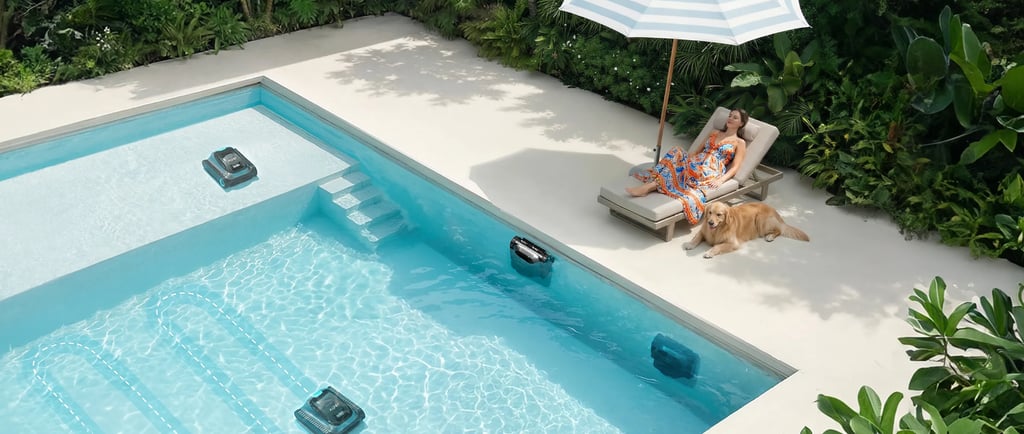
Maintaining a backyard oasis requires a delicate balance of science and timing. For pool owners, the primary concern is often the same: how long to wait to swim after adding pool chemicals. While the goal of chemical treatment is to create a sterile, inviting environment, entering the water too soon can transform a refreshing dip into a health hazard.
In 2026, pool maintenance has evolved with the integration of high-efficiency pumps and smart sensor arrays. However, the fundamental laws of water chemistry balance remain the same. To prevent skin irritation, eye damage, or chemical burns, it is essential to understand the dissipation rates of various additives. This guide provides an authoritative look at safety protocols, ensuring your pool remains a safe sanctuary for family and friends.
Key Takeaways: Quick Reference Safety Table
For those looking for immediate answers, the following table outlines standard wait times based on 2026 industry safety protocols. These estimates assume your pool pump circulation is active and the water turnover rate is functioning efficiently.
| Chemical Added | Average Wait Time | Safe Threshold/Condition | | :--- | :--- | :--- | | Liquid Chlorine | 2–4 Hours | Chlorine levels below 5 ppm | | Granular Shock | 12–24 Hours | Combined chlorine at 0 ppm | | Muriatic Acid | 30–60 Mins | pH stabilized between 7.2–7.6 | | Algaecide | 15–30 Mins | Non-metallic varieties only | | pH/Alkalinity Balancers | 20–60 Mins | After one full water turnover | | Flocculant | 12–24 Hours | Until debris is vacuumed to waste |
The Science of Chemical Circulation and Dissipation
Understanding how long to wait to swim after adding pool chemicals requires a basic grasp of hydrodynamics and chemical interaction. When you introduce concentrated substances like sodium bicarbonate (for alkalinity) or cyanuric acid (stabilizer), they do not instantly homogenize with 20,000 gallons of water.
The water turnover rate—the time it takes for the pump to move the entire volume of the pool through the filter—is the most critical factor. In 2026, variable-speed pumps often achieve a full turnover in roughly 4 to 6 hours. Until this cycle is complete, "hot spots" of high chemical concentration can exist, particularly in dead zones near steps or deep-end corners.
Furthermore, water chemistry balance is a synergistic process. For example, total alkalinity acts as a buffer for your pH levels. If the alkalinity is too low, the pH will "bounce," making it difficult to determine if the water is safe. Similarly, calcium hardness levels must be managed to prevent the water from becoming corrosive or scaling. Modern 2026 pool systems utilize AI-driven flow meters to ensure chemicals are distributed evenly, but the physical dissipation of molecules still requires time.
Chlorine & Shock: How Long to Wait After Heavy Sanitizing
Chlorine is the backbone of pool sanitation, but it is also the most common cause of swimmer discomfort. When discussing swimming after adding liquid chlorine, the safety window is relatively short. Liquid chlorine disperses rapidly; usually, waiting 2 to 4 hours is sufficient, provided you verify the sanitizer levels with a DPD test kit.
However, how long to wait after shocking pool treatments is a different matter. Shocking involves "super-chlorination" to break down chloramines and kill resistant bacteria.
Granular Shock: This can take significantly longer to dissolve. If the granules settle on the floor, they can cause skin burns or bleach liners. A wait time of 12 to 24 hours is standard.
Liquid Shock: While it mixes faster, the sheer volume of free chlorine often exceeds 10 ppm initially.
Safety standards in 2026 dictate that you should not enter the water until free chlorine levels drop below 5 ppm. It is also highly recommended to shock your pool at night. UV light from the sun can dissipate chlorine too quickly before it finishes sanitizing, whereas night-shocking allows the chemical to work effectively without interference, usually making the pool safe by the following morning.
Balancing pH and Alkalinity: Muriatic Acid Safety
The question of can you swim after adding muriatic acid is one of the most critical for safety, as acid is highly caustic. Muriatic acid is used to lower high pH or alkalinity levels. Because it is denser than water, it tends to sink to the bottom in concentrated "clouds" before being fully integrated.
In a high-circulation pool with a modern pump, the 30 to 60-minute rule is generally effective. However, the primary risk is eye safety and respiratory irritation if a swimmer passes through a concentrated pocket of acid.
In 2026, many owners have shifted to using smart pool sensors that provide real-time pH readings. These devices send an alert to your smartphone when the pH levels have reached the target range (ideally 7.4). Without a sensor, you must rely on manual testing after at least one hour of pump run-time to ensure the acid has not caused the pH to drop too low, which can lead to itchy skin and damaged swimwear.
Specialty Chemicals: Algaecide, Flocculants, and Clarifiers
Specialty treatments have unique protocols regarding pool chemical safety wait times.
Algaecide: Most modern algaecides are non-metallic and non-foaming. The algaecide swim wait time is typically short, around 15 to 30 minutes, as these chemicals are designed to be safe for human contact at maintenance doses.
Flocculants: These are used to clump microscopic particles together so they sink to the bottom. Unlike other chemicals, you cannot swim while a flocculant is working. Swimming disturbs the water, preventing the particles from settling. You must wait until the debris has settled and been vacuumed out—usually 12 to 24 hours.
Clarifiers: These are milder than flocculants and usually allow for swimming within 1 hour, as they work with the filter rather than settling debris on the floor.
Comparison: Traditional Wait Times vs. Smart Sensor Real-Time Monitoring
The methodology for determining safety has shifted significantly between 2020 and 2026.
| Feature | Traditional "Rule of Thumb" | 2026 Smart Sensor Approach | | :--- | :--- | :--- | | Accuracy | Estimated based on volume | Precise parts per million (ppm) data | | Wait Time | Often over-cautious (e.g., 24 hours) | Optimized (often 30% faster) | | Risk Factor | Human error in manual testing | Automated alerts for chemical "hot spots" | | Verification | Color-matching test strips | Digital readout via Matter/IoT protocols |
While the "rule of thumb" approach is still a valid safety net, 2026 technology allows for active dissipation monitoring. Instead of waiting a flat 24 hours after shocking, a sensor can confirm that the chlorine has reached the 4.5 ppm mark in only 14 hours, allowing for earlier access without compromising safety.
Reality Check: The Limitations of 'Estimated' Wait Times
Despite the data provided, "standard" wait times are not infallible. Several environmental factors can drastically alter how long you should wait to swim after adding pool chemicals:
Bather Load: If you add chemicals after a large party, the organic load may consume the chemicals faster, but the initial "spike" remains dangerous.
Water Temperature: Warmer water generally facilitates faster chemical reactions and dissolution, while cold water (below 65°F) can cause chemicals like calcium chloride to cloud or settle indefinitely.
Sunlight Exposure: High UV index days will accelerate the dissipation of chlorine, potentially requiring a re-dose if cyanuric acid levels are not optimal.
One of the greatest risks is the "smell test." Many people believe that a strong "pool smell" means there is too much chlorine. In reality, that smell usually indicates chloramines (used-up chlorine), meaning the pool actually needs more sanitizer. Relying on scent rather than a DPD test kit is a significant safety risk that can lead to eye and lung irritation.
Buyer’s Guide: Essential Safety Tools for 2026 Pool Owners
To maintain a rigorous pool maintenance schedule, the following tools are recommended for 2026:
High-Accuracy DPD Test Kits: Avoid basic OTO kits that only measure total chlorine. A DPD (N,N-diethyl-p-phenylenediamine) kit allows you to distinguish between free available chlorine and combined chlorine, which is vital for post-shock safety.
AI-Integrated Smart Sensors: Devices like the 2026 models from WaterGuru or Ecobee Pool utilize optical sensors to monitor pH levels and sanitizer levels 24/7. Look for models compatible with the Matter smart home protocol for seamless integration.
Variable Speed Pumps: Ensure your pump is rated for a high water turnover rate. Models with "Safety Vacuum Release Systems" (SVRS) are the current standard for preventing suction entrapment while chemicals circulate.
Eco-Friendly Liquid Chlorine: Professional-grade liquid chlorine (12.5% concentration) remains more predictable than many stabilized pucks, which can lead to "stabilizer lock" if overused.
Conclusion: Prioritizing Safety in the Modern Pool
The answer to how long to wait to swim after adding pool chemicals is rarely a single number. While 30 minutes might suffice for a pH balancer, a heavy shock treatment requires patience and testing. In 2026, we have the advantage of precision technology to take the guesswork out of water safety. However, the golden rule remains: when in doubt, test the water. Ensuring your ppm levels are within the safe range is the only 100% effective way to protect your swimmers and enjoy your pool with peace of mind.
Frequently Asked Questions (FAQ)
Can I swim while the robot cleaner is in?
While most 2026 robotic cleaners are low-voltage and safe, it is generally discouraged. The robot can stir up settled chemicals or debris, and the cable poses a minor entanglement risk for children.
What happens if I swim too soon after shocking?
Swimming in high chlorine levels (above 10 ppm) can lead to severe skin rashes, "swimmer's eye" (chemical conjunctivitis), and can even bleach hair and expensive swimwear. In extreme cases, inhaling the fumes right off the water surface can cause respiratory distress.
Does rain affect wait times?
Yes. Heavy rain can alter the water chemistry balance by introducing contaminants and lowering the pH. If you add chemicals during or just before rain, you must re-test the water before swimming to ensure the dilution hasn't rendered the treatment ineffective or unbalanced.
How long should the pump run after adding chemicals?
Ideally, the pump should run on high speed for at least one full turnover, which is typically 4 to 6 hours for most residential pools. This ensures no "slugs" of concentrated chemical remain in the plumbing or at the bottom of the pool.
Contact
Questions? Reach out anytime here.
Phone
lilily2023888 [@] gmail [dot] com
contact me and cooperation
© 2025. All rights reserved cleanerpoolrobot.