Above Ground Pool Cost Guide: Prices, Installation, and Hidden Expenses
According to our semi-inground pool price guide data, these projects typically cost between $12,000 and $22,000.
7/5/20266 min read
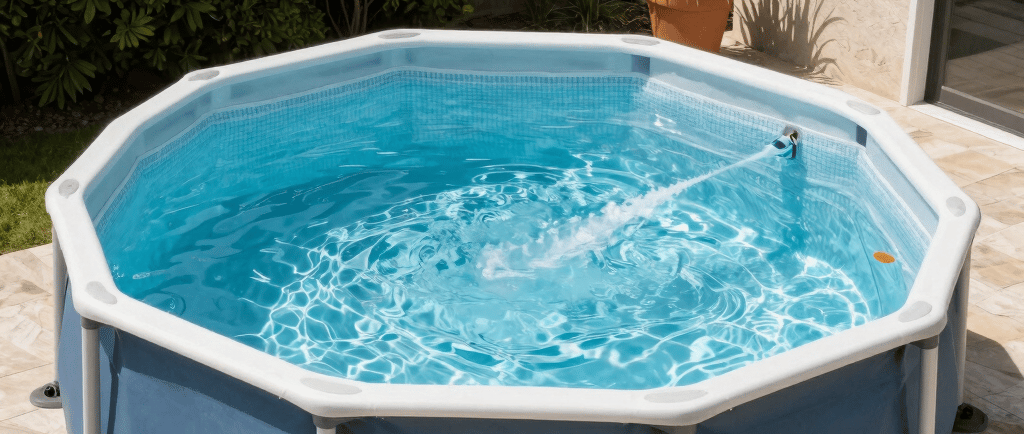
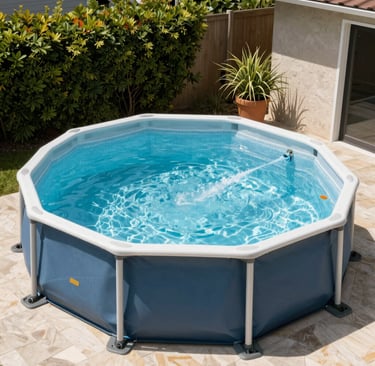
As we move into 2026, the residential leisure market continues to prioritize backyard versatility and sustainable technology. The above ground pool cost has evolved significantly over the last few years, transitioning from simple seasonal kits to sophisticated permanent structures. Today’s homeowners are increasingly opting for high-durability resin materials and smart maintenance integration, allowing for a premium swimming experience without the prohibitive six-figure investment of a traditional inground build.
Whether you are looking for a basic cooling station or a semi-permanent backyard centerpiece, understanding the current economic landscape of the pool industry is vital. Factors such as global material shifts—specifically the rise in high-grade polymers—and the professionalization of installation services have redefined the average cost of above ground pool 2026 models. This guide provides a data-driven breakdown of the initial purchase price, professional labor rates, and the long-term operational expenses you should anticipate.
Key Takeaways
Initial Investment Range: Most homeowners spend between $3,000 and $15,000 for a complete setup including the pool, equipment, and installation.
Labor Rates: Professional installation labor rates currently average $1,500 to $4,500, depending on site complexity and pool size.
Smart ROI: Investing in a robotic pool cleaner and high-efficiency pool filtration systems can reduce annual chemical and energy costs by up to 35%.
Property Value: While they don't appreciate like inground pools, modern semi-inground designs offer a more favorable impact on resale value than traditional steel-walled models.
Breaking Down the Average Cost of Above Ground Pools
The market for above ground pools is segmented into three distinct tiers based on material longevity and structural integrity. The above ground pool cost is primarily determined by whether the frame is constructed of steel, resin, or a hybrid of both.
Economy and Inflatable Sets ($500 – $2,500)
These are typically "seasonal" pools found at big-box retailers. While the price point is attractive, these models rely on vinyl walls and simple metal frames. They are intended for a 3 to 5-year lifespan and rarely require professional installation.
Standard Steel-Wall Kits ($3,500 – $7,000)
Steel remains a popular choice due to its balance of affordability and strength. The steel wall durability in 2026 has improved thanks to advanced multi-layered coatings (like G90 galvanization) that resist corrosion. However, these pools are susceptible to rust if the liner leaks and the water contacts the raw metal.
Premium Resin and Hybrid Models ($8,000 – $12,000+)
Resin pool frames have become the gold standard in 2026. Unlike steel, resin is 100% corrosion-proof and does not get hot to the touch in direct sunlight. Many premium models use a hybrid approach: steel walls for structural rigidity and resin components (top rails and uprights) for longevity. These models are compatible with modern saltwater system conversion kits, which would otherwise corrode standard steel frames.
| Tier | Typical Price Range | Estimated Lifespan | Material Focus |
| :--- | :--- | :--- | :--- |
| Economy | $500 - $2,500 | 2 - 5 Years | PVC / Lightweight Steel |
| Standard | $3,500 - $7,000 | 8 - 12 Years | Galvanized Steel |
| Premium | $8,000 - $15,000 | 15 - 20+ Years | Reinforced Resin / Hybrid |
Professional vs. DIY: Above Ground Pool Installation Cost
One of the most significant variables in your budget will be the above ground pool installation cost. While many kits are marketed as DIY-friendly, the physical demands and precision required often make professional help a safer long-term investment.
Site Preparation and Ground Leveling
Proper ground leveling and site preparation are non-negotiable. A pool that is off-level by even two inches can experience structural failure. Professionals typically charge $500 to $1,200 just for excavation and leveling. This includes removing sod, creating a sand or foam base, and ensuring proper drainage away from the pool structure.
Professional Installation Labor Rates
In 2026, professional installation labor rates for a standard 24-foot round pool range from $1,800 to $3,200. This fee usually covers the assembly of the frame, the hanging of the liner, and the initial plumbing of the pump and filter system.
Electrical and Compliance
Modern high-efficiency pumps require dedicated circuits. Electrical wiring requirements can add $800 to $1,500 to your total, as a licensed electrician must install a GFCI-protected outlet and ensure the pool is properly bonded to prevent electrical hazards.
The Rise of the Semi-Inground Pool
The "semi-inground" trend has peaked in 2026 as homeowners seek the "look" of an inground pool at a fraction of the price. According to our semi-inground pool price guide data, these projects typically cost between $12,000 and $22,000.
These pools are constructed with thicker, reinforced walls (often extruded aluminum or specialized resin) capable of withholding the external pressure of the earth. By sinking the pool 24 to 36 inches into the ground, homeowners can build pool decking materials such as composite wood or pavers right up to the edge. This creates a seamless transition from the house to the water. While more expensive than a traditional above ground model, the aesthetic appeal and ease of access often lead to a higher perceived property value.
Comparison: Above Ground Pool vs Inground Pool Cost Comparison
When conducting an above ground pool vs inground pool cost comparison, the gap remains substantial in 2026.
| Feature | Above Ground Pool | Inground Pool (Fiberglass/Concrete) |
| :--- | :--- | :--- |
| Initial Cost | $5,000 - $15,000 | $65,000 - $110,000+ |
| Install Time | 1 - 3 Days | 4 - 12 Weeks |
| Maintenance | Lower (Smaller volume) | Higher (Chemicals/Resurfacing) |
| Lifespan | 10 - 20 Years | 30 - 50+ Years |
| Tax Impact | Minimal to None | Increases Property Taxes |
Beyond the initial build, pool insurance premiums for above ground models are generally lower because they are considered "personal property" rather than a permanent home improvement. Conversely, an inground pool is a permanent fixture that will likely trigger a reassessment of your property taxes.
The Reality Check: Disadvantages, Limitations, and Longevity
While the above ground pool cost is attractive, there are trade-offs in longevity and recurring expenses.
Lifespan: An above ground pool lifespan is typically 10 to 18 years for the frame. This is significantly shorter than the 40+ years expected from a concrete shell.
Liner Replacement: The pool liner replacement cost is a recurring "hidden" expense. Most liners last 5 to 9 years. In 2026, a professional liner replacement (including the part and labor) costs between $800 and $1,600.
Aesthetics: Without strategic landscaping around pools, an above ground structure can look like a large "tub" in the yard. Proper skirting, stone borders, and plantings are necessary to integrate the pool into your backyard design, often adding $2,000+ to the project.
Buyer’s Guide: Hidden Costs and Smart Upgrades
To avoid budget creep, ensure your 2026 budget accounts for the following often-overlooked items:
Building Permit Fees: Depending on your municipality, permits can cost $100 to $500. Some areas also require a safety fence, even for above ground models.
Water Delivery Services: Filling a 15,000-gallon pool via a garden hose can take days and may strain your well. Professional water delivery in 2026 costs roughly $300 to $600 per truckload.
Winterization Costs: Unless you live in a tropical climate, you will spend $200 to $400 annually on winter covers and chemicals to protect the structure from ice damage.
Robotic Pool Cleaner ROI: We highly recommend budgeting $600 to $1,200 for a high-quality robotic cleaner. While it is an upfront cost, the robotic pool cleaner ROI is realized within two seasons through reduced pump run-time and fewer chemical treatments.
Pool Heater Installation: To extend the swimming season into the shoulder months, a heat pump adds $2,500 to $4,500 but can double your annual pool usage.
Conclusion: Is an Above Ground Pool Worth It?
The average cost of above ground pool 2026 updates suggests that these systems remain the most cost-effective way to enjoy a private swimming experience. By opting for a premium resin frame and investing in professional installation, you can mitigate the traditional downsides of above ground models. While they require periodic liner changes and lack the "forever" status of concrete, the $50,000+ in savings allows for significant backyard upgrades elsewhere. For most families, the balance of lower entry costs and manageable maintenance makes the above ground pool a highly sensible investment in lifestyle and wellness.
Frequently Asked Questions (FAQ)
1. How much does a 24ft above ground pool cost to install in 2026?
A total project for a 24ft pool (the most common size) typically ranges from $6,500 to $9,500. This includes a mid-grade steel/resin hybrid pool, professional installation, a sand filter system, and basic electrical work.
2. Do above ground pools increase home value?
Generally, no. In the eyes of most real estate appraisers, above ground pools are considered "removable personal property." However, a well-landscaped semi-inground pool with high-quality decking may increase the "marketability" of a home to specific buyers, even if it doesn't significantly raise the appraised value.
3. What are the monthly pool filtration systems electricity costs?
With the 2026 energy standards requiring variable-speed pumps, the monthly electricity cost for filtration is approximately $25 to $45. Older, single-speed pumps can cost more than $100 per month to operate.
4. Is professional ground leveling mandatory?
Yes. DIY leveling is the primary cause of pool failure. Professional installers use transit levels and specialized equipment to ensure the ground is compacted and perfectly flat. A 1-inch slope over the diameter of the pool can cause the wall to buckle under the weight of the water, which is approximately 8 lbs per gallon.
Contact
Questions? Reach out anytime here.
Phone
lilily2023888 [@] gmail [dot] com
contact me and cooperation
© 2025. All rights reserved cleanerpoolrobot.